
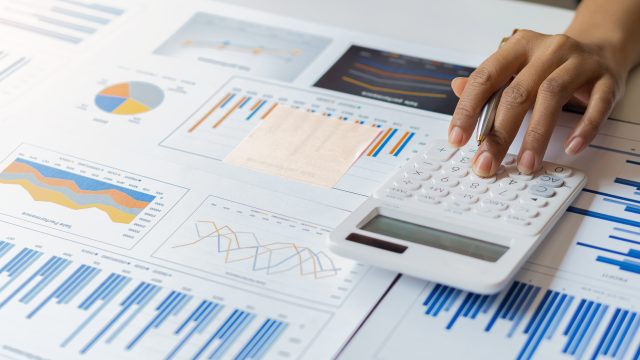
Why Financial Forecasting Isn’t Just for Big Companies, Burton SMEs Take Note
If you think financial forecasting for small businesses is only for large corporations with finance teams and complex systems, it is time to rethink that idea. For many SMEs, forecasting is not just helpful; it is essential for staying in control of cash flow, planning growth, and avoiding financial surprises.
In this guide, we break down what forecasting actually means, why it matters for local businesses, and how you can start using it without needing complicated tools or spreadsheets.
What Is Financial Forecasting for Small Businesses and Why Does It Matter?
At its core, financial forecasting for small businesses is simply about understanding what is likely to happen to your finances in the future.
It answers questions like:
- How much money will come in over the next few months
- What expenses are due and when
- Whether you can afford to invest, hire, or grow
For many small business owners, decisions are made based on what is currently in the bank. The problem is that this only shows where you are now, not where you are heading.
That is where forecasting changes everything.

Why Do Many SMEs Avoid Forecasting?
Despite its benefits, many local businesses still avoid financial forecasting. The reasons are usually the same:
“My business is too small”
Many sole traders believe forecasting is only needed at scale. In reality, smaller businesses often benefit more because margins are tighter.
“I do not have time”
When you are busy running day-to-day operations, planning ahead feels like a luxury. But not planning often leads to bigger problems later.
“It sounds complicated”
Forecasting is often associated with spreadsheets and financial jargon. In reality, it can be simple and practical.
“I just rely on year-end accounts”
Year-end accounts tell you what has already happened. Forecasting helps you prepare for what is coming next.
What Happens If You Do Not Forecast Your Finances?
Without SME cash flow management, many businesses end up reacting instead of planning.
Common issues include:
- Unexpected tax bills
- Cash flow shortages at critical times
- Delayed supplier payments
- Missed growth opportunities
- Stress caused by financial uncertainty
For example, a local trades business may appear profitable, but if large invoices are paid late, cash flow can quickly become an issue.
Forecasting helps you see these problems before they happen.
How Can Financial Forecasting Help Your Business Grow?
When done properly, financial planning for small businesses gives you clarity and confidence.
Better Cash Flow Control
With cash flow forecasting for SMEs, you can track when money is coming in and going out, helping you avoid shortfalls.
Smarter Decision Making
Instead of guessing, you can make informed decisions about hiring, investing, or expanding.
Reduced Financial Stress
Knowing what is coming reduces uncertainty and allows you to plan ahead.
Improved Profitability
By understanding your numbers, you can identify areas to cut costs or increase margins.
What Does a Simple Forecast Look Like?
You do not need advanced tools to get started with forecasting tools for UK businesses.
A basic forecast includes:
- Expected income over the next 3 to 6 months
- Regular expenses such as rent, wages, and subscriptions
- Upcoming tax liabilities
- One-off costs or planned investments
Even a simple monthly projection can give you valuable insights.
Why Financial Forecasting Matters More Than Ever in 2026
The business landscape is changing, and financial forecasting for small businesses is becoming increasingly important.
Making Tax Digital (MTD)
HMRC is moving towards digital reporting, requiring more regular financial updates.
Rising Costs
Inflation, supplier price increases, and operational costs mean businesses need tighter control over finances.
Economic Uncertainty
Planning is no longer optional; it is essential for stability and growth.

How Does This Apply to Businesses in Burton-on-Trent?
For SMEs in Burton-on-Trent, Swadlincote, Bretby, and nearby areas, income can vary depending on industry and seasonality.
For example:
- Retail businesses may see fluctuations during quieter months
- Trades may experience delayed payments
- Service-based businesses may rely on a small number of clients
This makes business forecasting especially valuable for staying in control.
Do You Need Special Software to Start Forecasting?
The short answer is no.
Many businesses begin with simple tools such as:
- Spreadsheets
- Accounting software like Xero or QuickBooks
- Basic templates for tracking income and expenses
However, as your business grows, more advanced tools can provide deeper insights and automation.
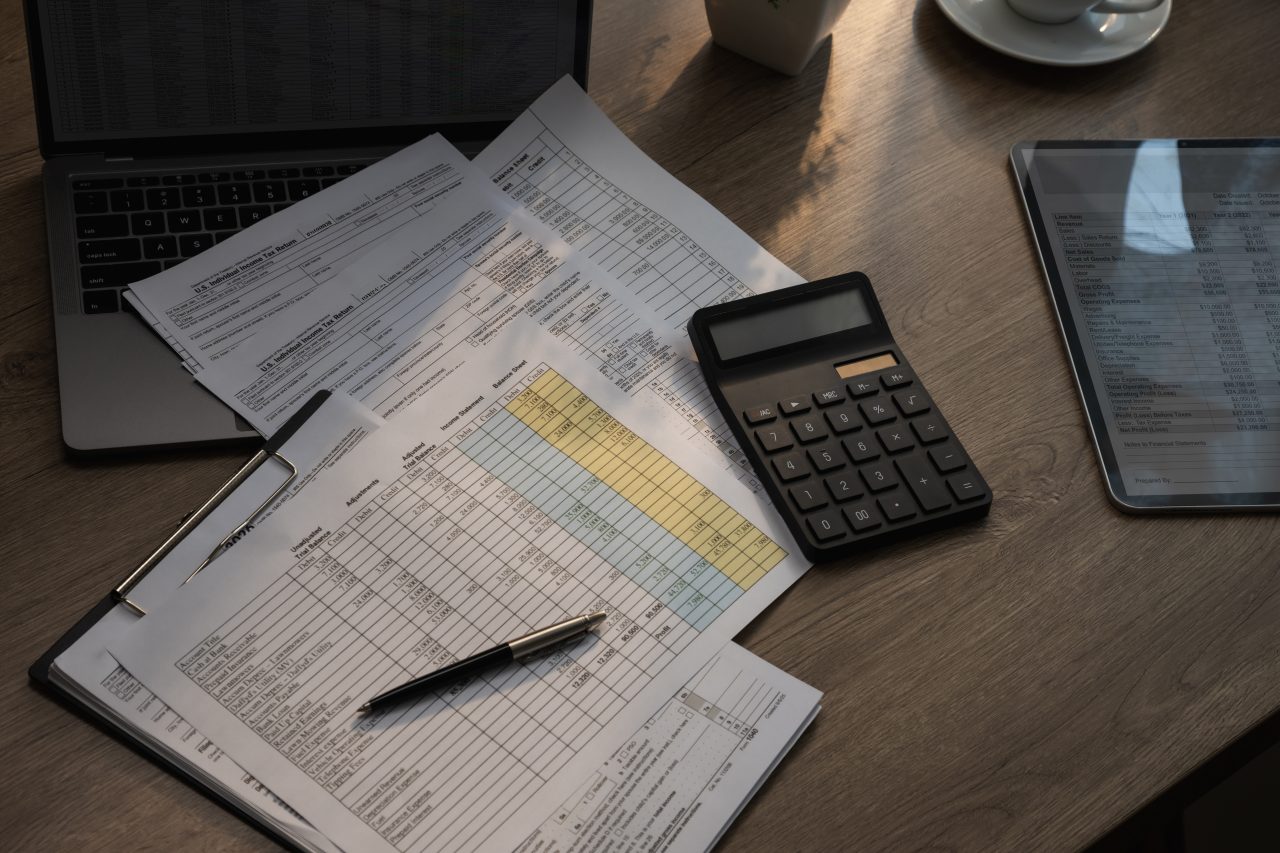

When Should You Start Financial Forecasting?
The best time to start is now.
You do not need to wait until your business reaches a certain size. In fact, starting early helps you build stronger financial habits and avoid common mistakes.
If you are already experiencing:
- Cash flow issues
- Uncertainty around future income
- Difficulty planning expenses
Then forecasting can make an immediate difference.
How Woodville Accounting Supports Local Businesses
At Woodville Accounting & Payroll, we help SMEs move from reacting to planning.
Our approach is simple, practical, and tailored to your business. We focus on:
- Clear financial insights you can understand
- Forecasting that supports real decisions
- Ongoing guidance, not just year-end support
If you want support with forecasting and financial planning, explore our business assistance services.

Ready to Take Control of Your Business Finances?
If you want to stop guessing and start planning, financial forecasting for small businesses is one of the most valuable tools you can use.
Whether you are a sole trader or running a growing company in Burton-on-Trent, the right support can help you:
- Improve cash flow
- Plan ahead with confidence
- Make better financial decisions
Speak to Woodville Accounting & Payroll today and take the first step towards clearer, more confident financial management.
Tel: 07711129971 | Email: [email protected]